

Online research, immersive VR & eye-tracking and Focus Groups are three distinct research methodologies. Use any one as a complete study, combine two, or triangulate all three when the brief needs scale, observed behaviour and qualitative depth.

Put a realistic store in front of the right shoppers wherever they are. Instead of reacting to flat concepts, respondents navigate, shop and make decisions in context.
Recruit to agreed quotas, segments and shopper criteria. Anchor the task around a real mission so the study starts with the right context.
Respondents enter the simulated store, browse, compare and purchase as they would in-store. Scenarios can change by respondent or test cell.
Combine behavioural shopping data with post-shop questions, claimed attitudes and follow-up qualitative work to understand what happened and why.

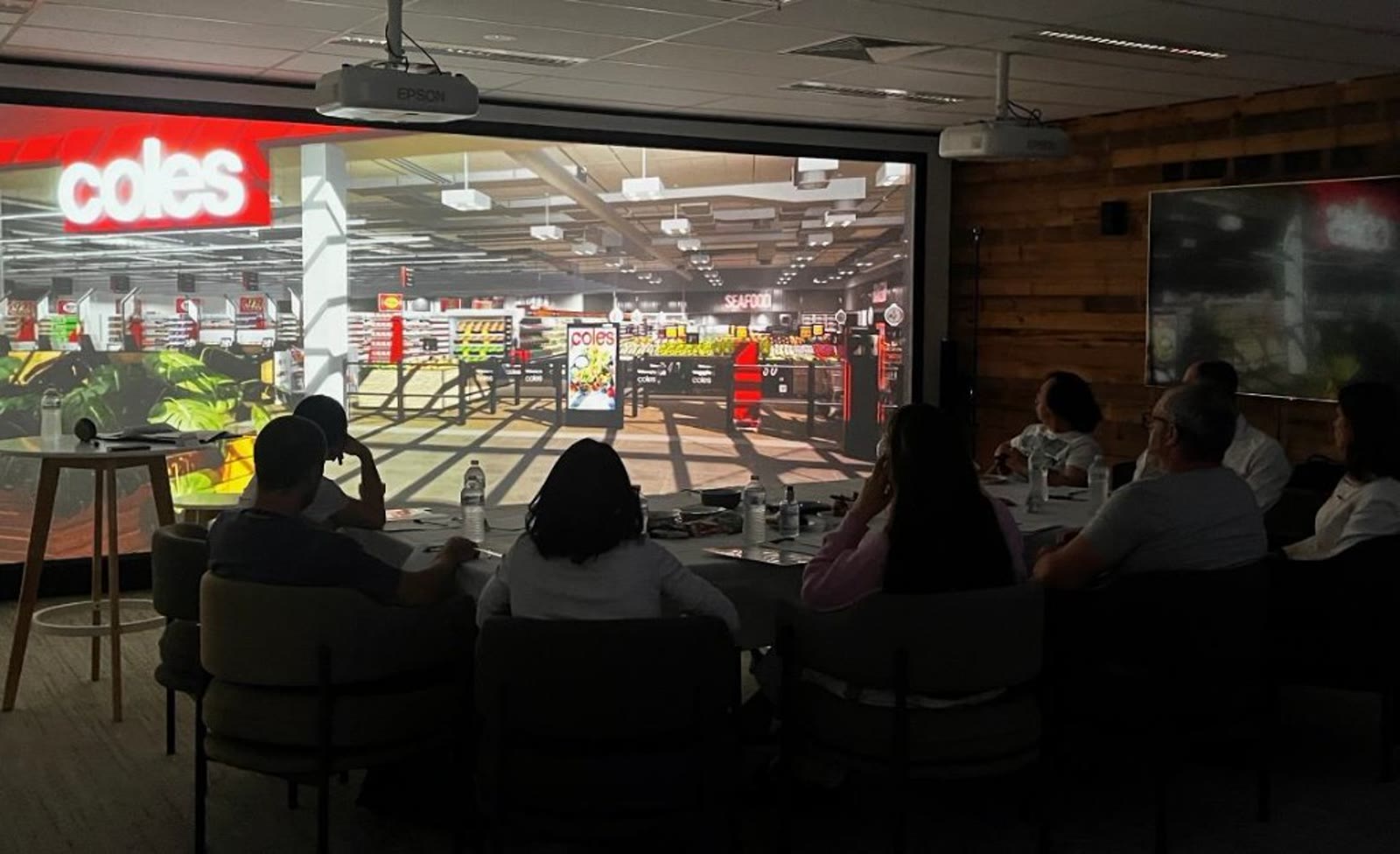
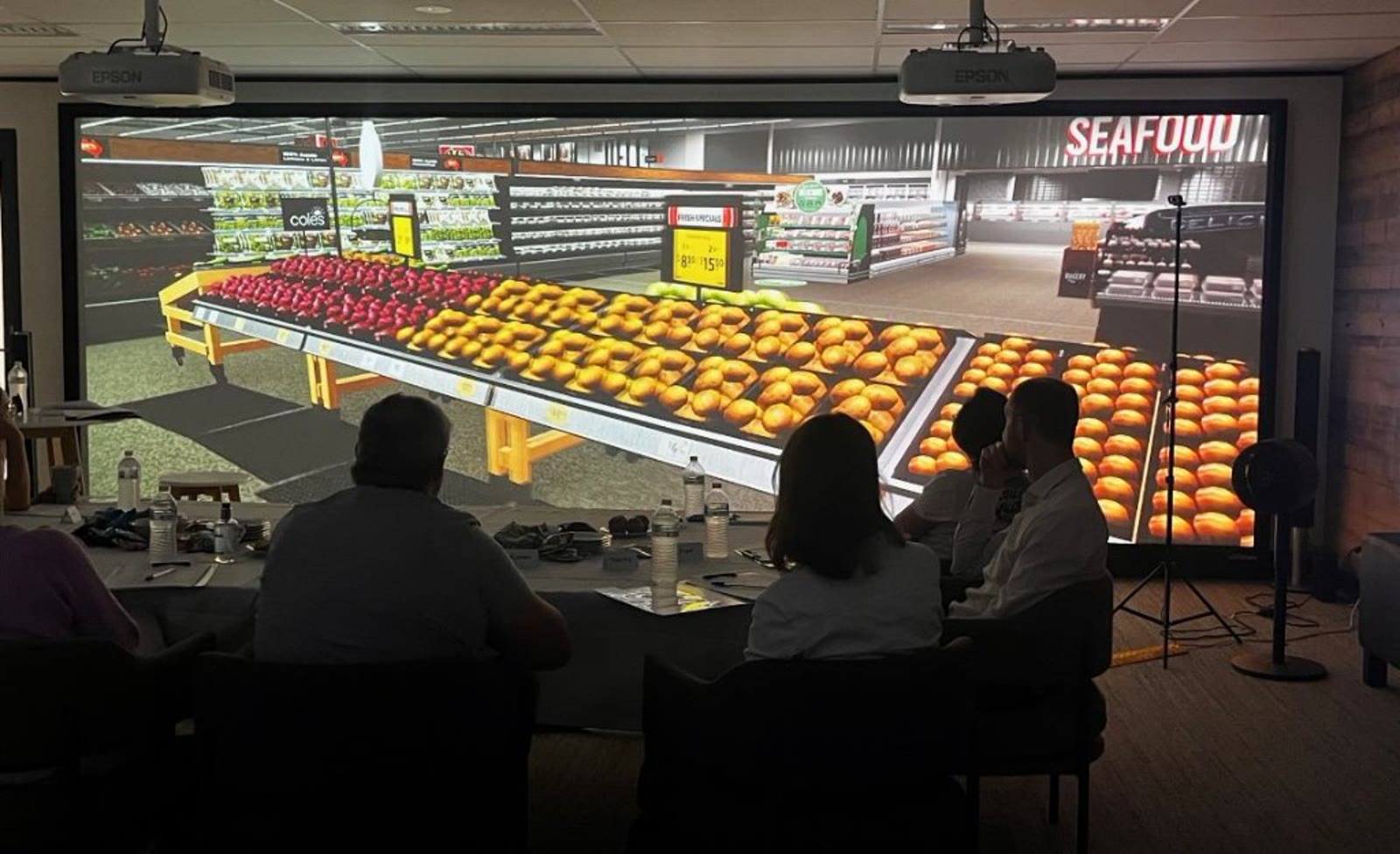
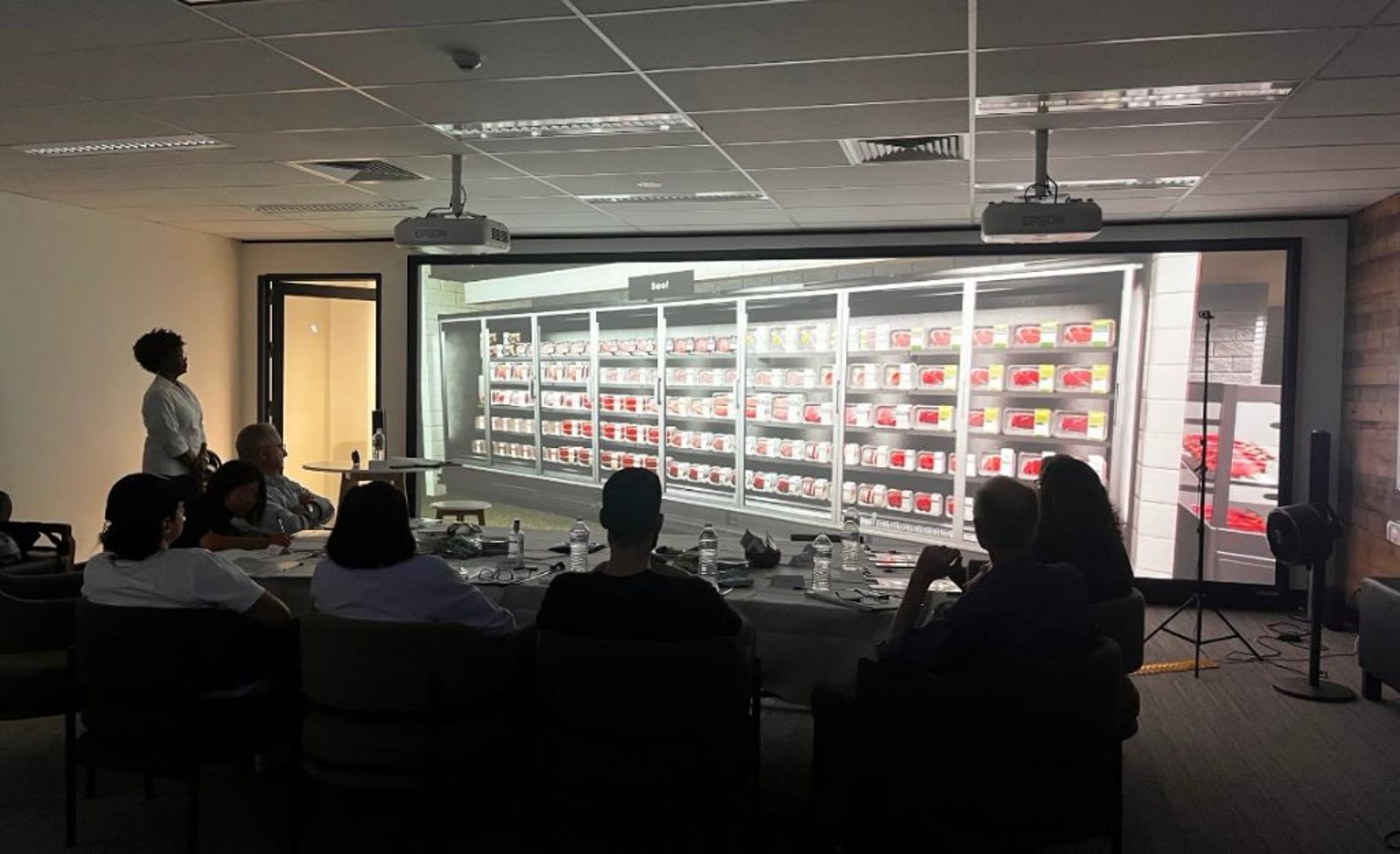
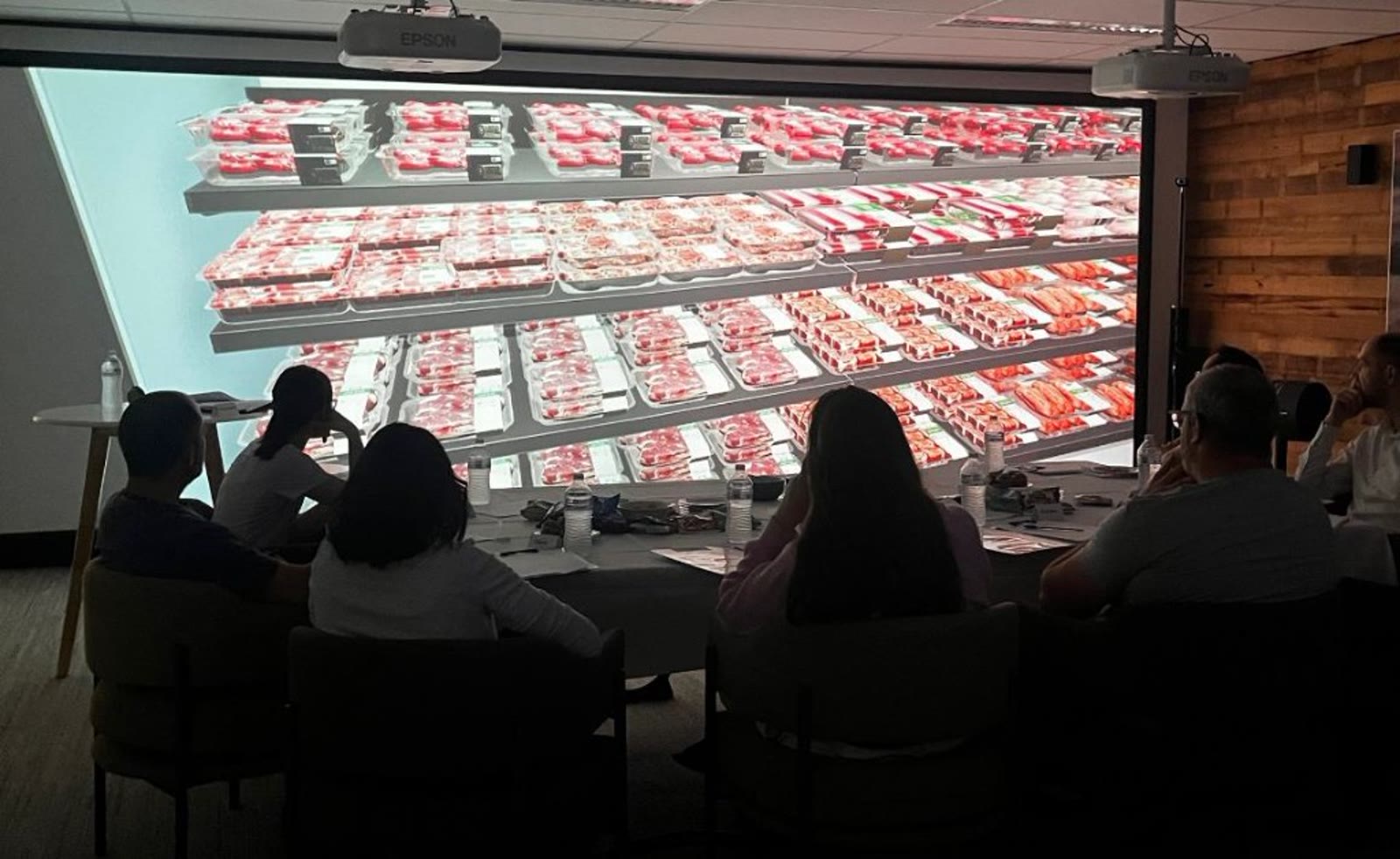
See behaviour that shoppers cannot always explain. Shoppers physically explore the environment while we observe navigation, attention, choice and interaction in context.
Bring the right shoppers into a controlled setting and familiarise them with the environment so the technology disappears into the background.
Shoppers navigate and make decisions naturally. Eye tracking can record fixations, gaze paths and what is noticed, ignored or difficult to find.
Replay, retrospective think-aloud, interviews and surveys connect the observed behaviour to motivations, perceptions and choice drivers.

Give shoppers space to talk, challenge, react and explain. Moderated discussion gets underneath the language, motivations, tensions and trade-offs that behavioural data alone cannot fully uncover.
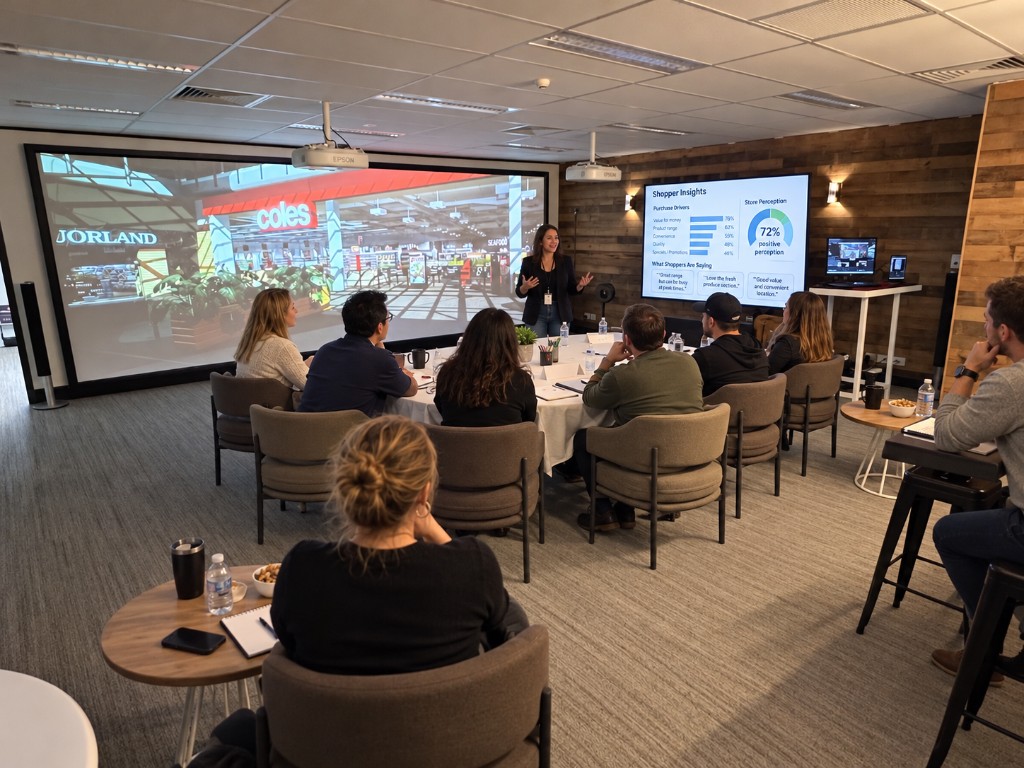
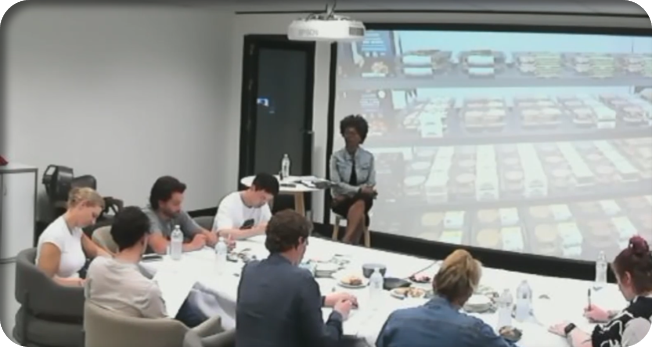
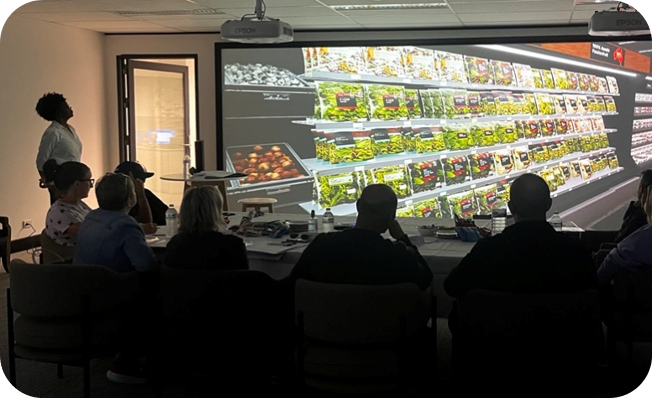
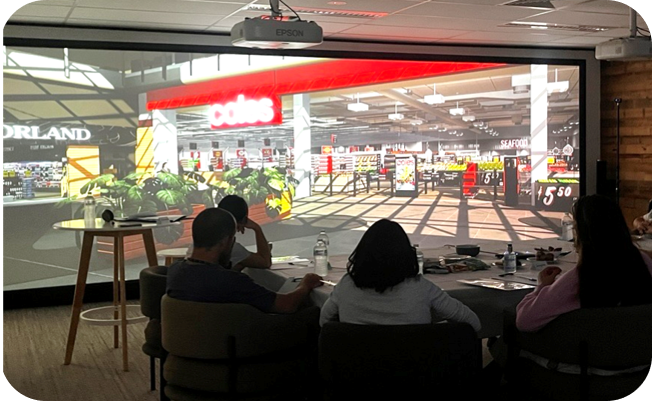
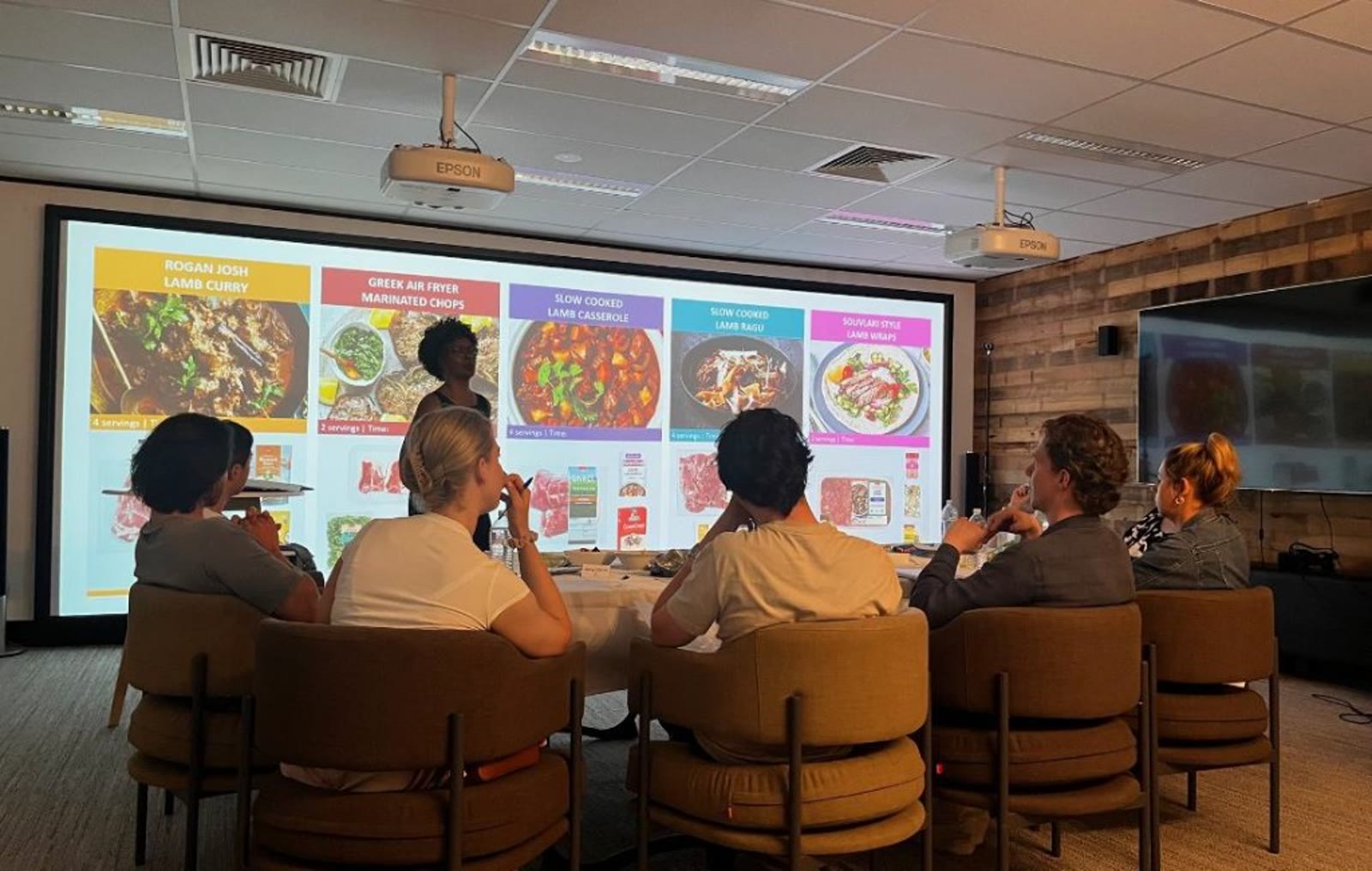
Bring together the right shoppers around a clearly defined category, audience, mission, concept or business question.
Use products, packs, layouts, POS, virtual environments or early findings as stimulus. Probe what resonates, confuses, divides opinion or needs to change.
Identify the motivations, language and trade-offs behind the discussion, then translate them into clear implications and recommendations.
The methodology follows the business question. Each option is complete in its own right; combining methods simply lets us answer different parts of the same question with more confidence.
Use immersive work to understand how shoppers behave, then validate the pattern with a larger online sample.
Measure the size of the response, then use moderated discussion to understand the motivations and language behind it.
Watch the behaviour first, then use qualitative discussion to explore the moments, barriers and decisions that mattered.
Triangulate what shoppers do, what they notice and what they say. This is useful when the decision is important enough to need multiple lenses.
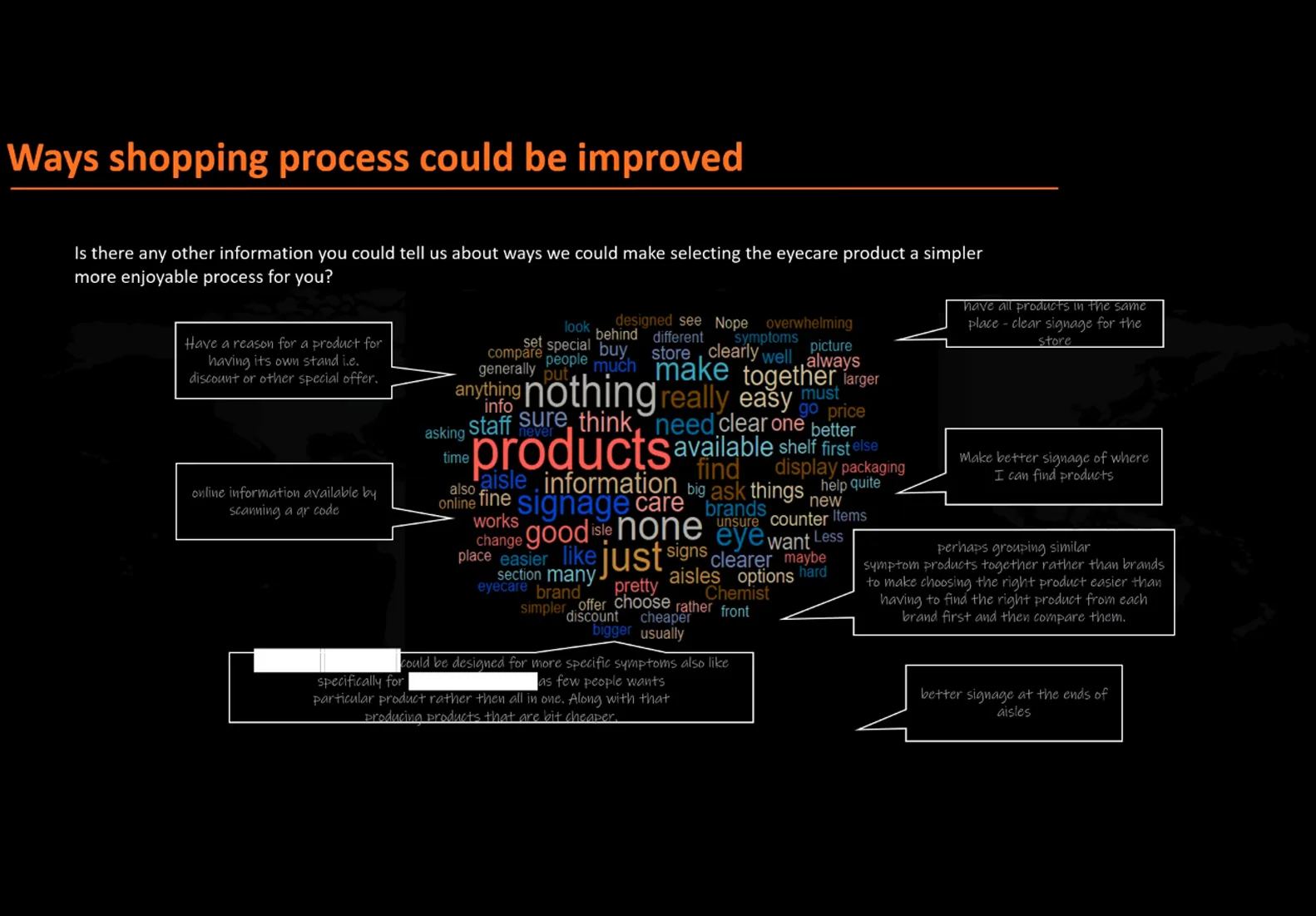
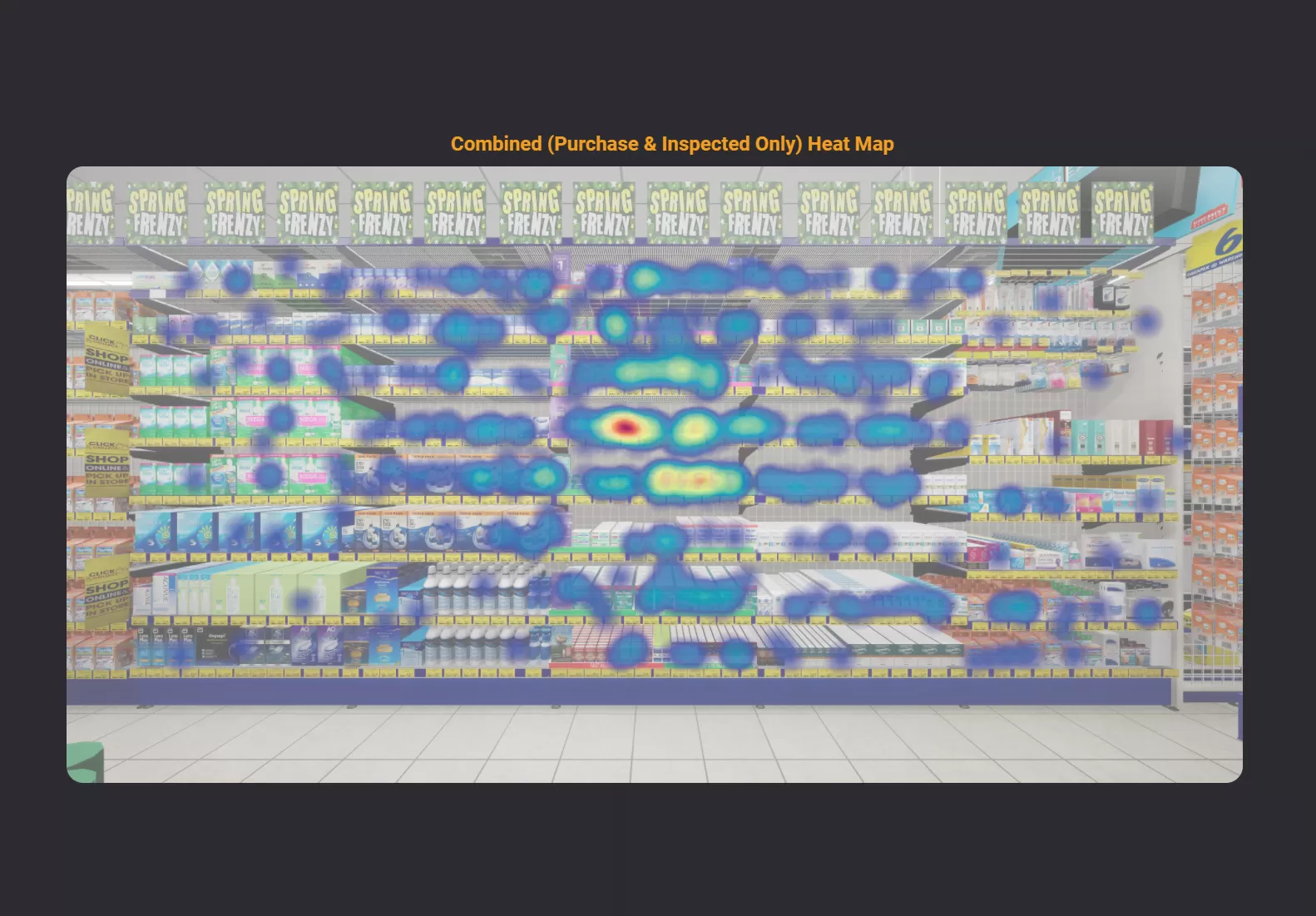
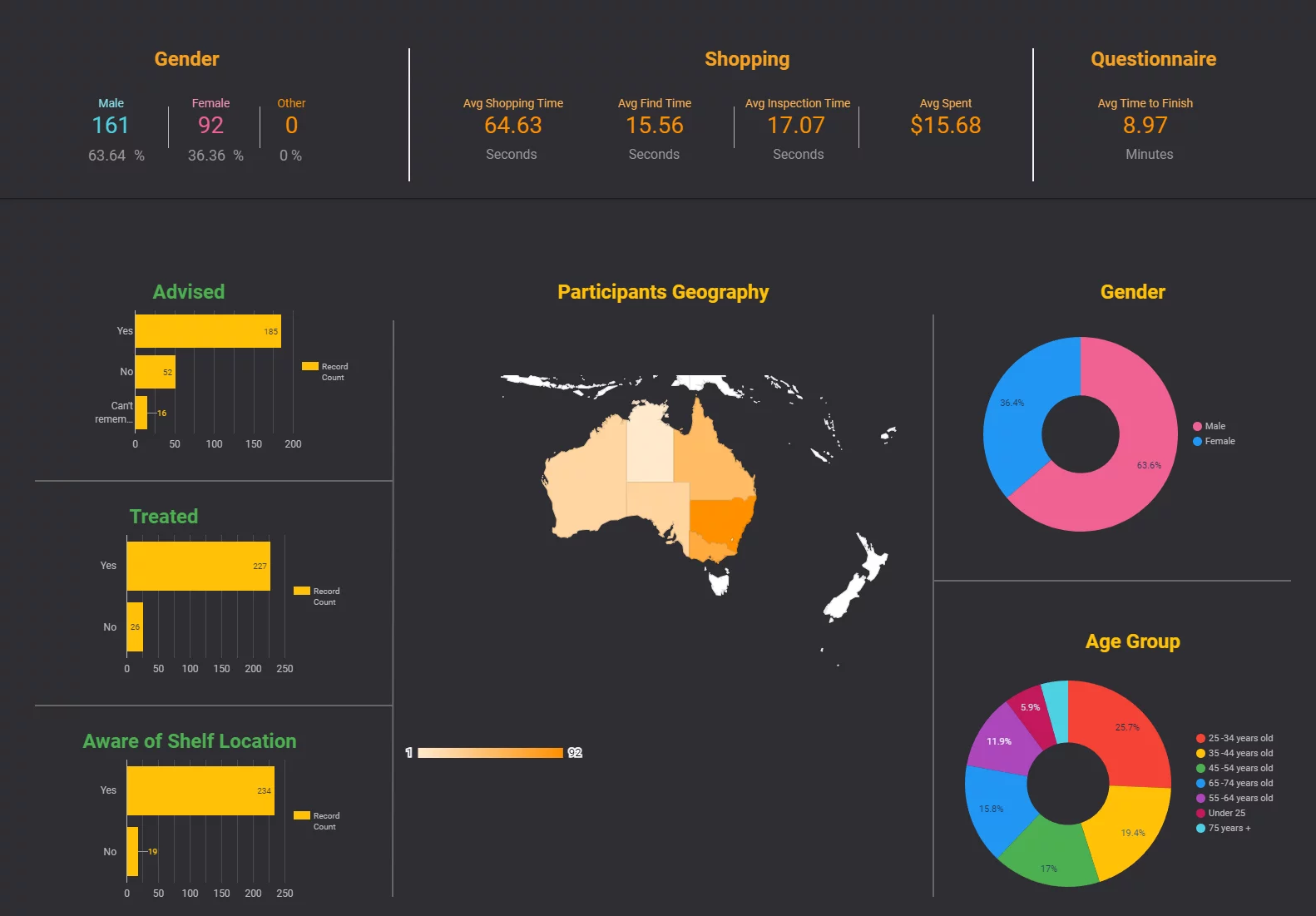
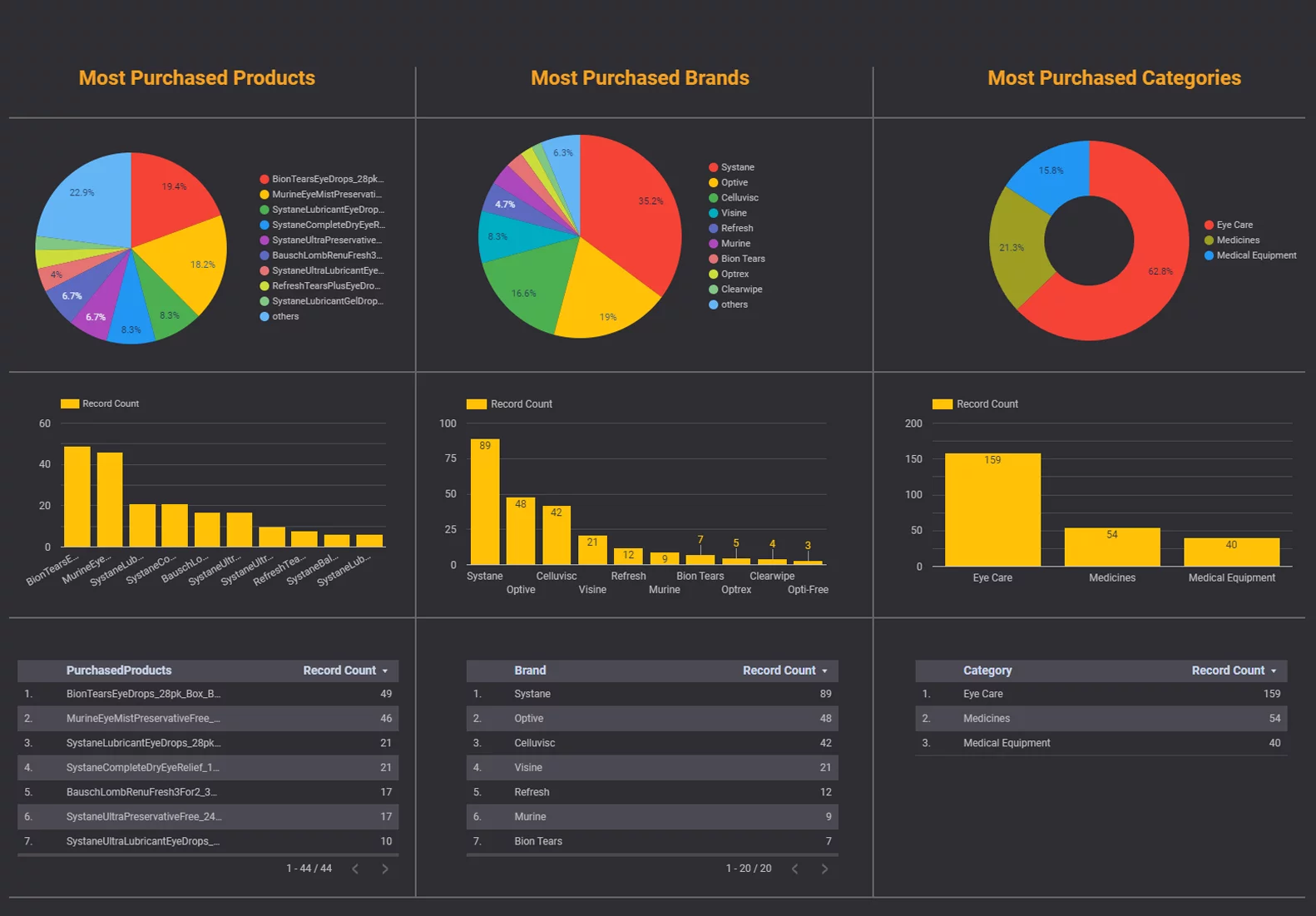
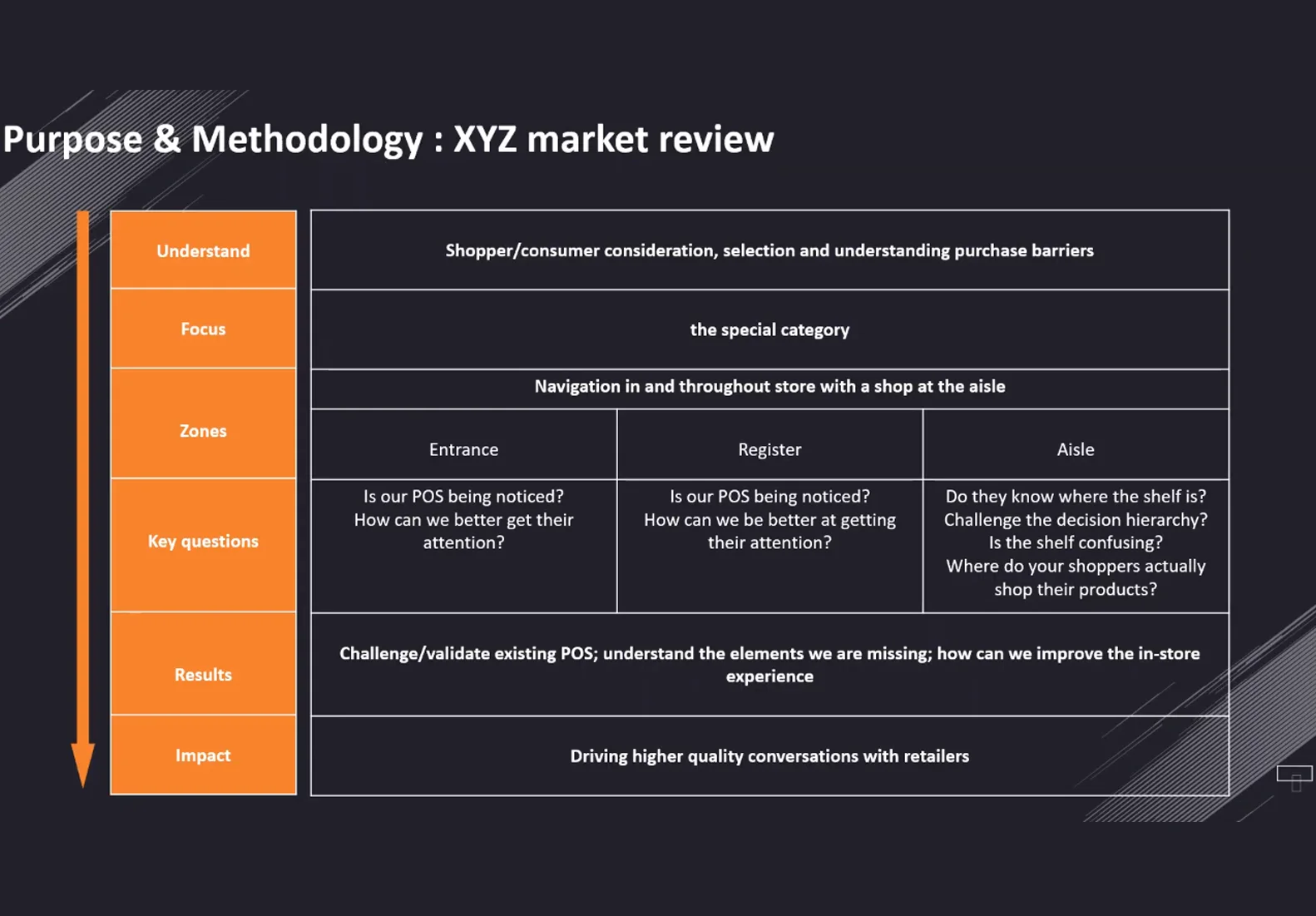
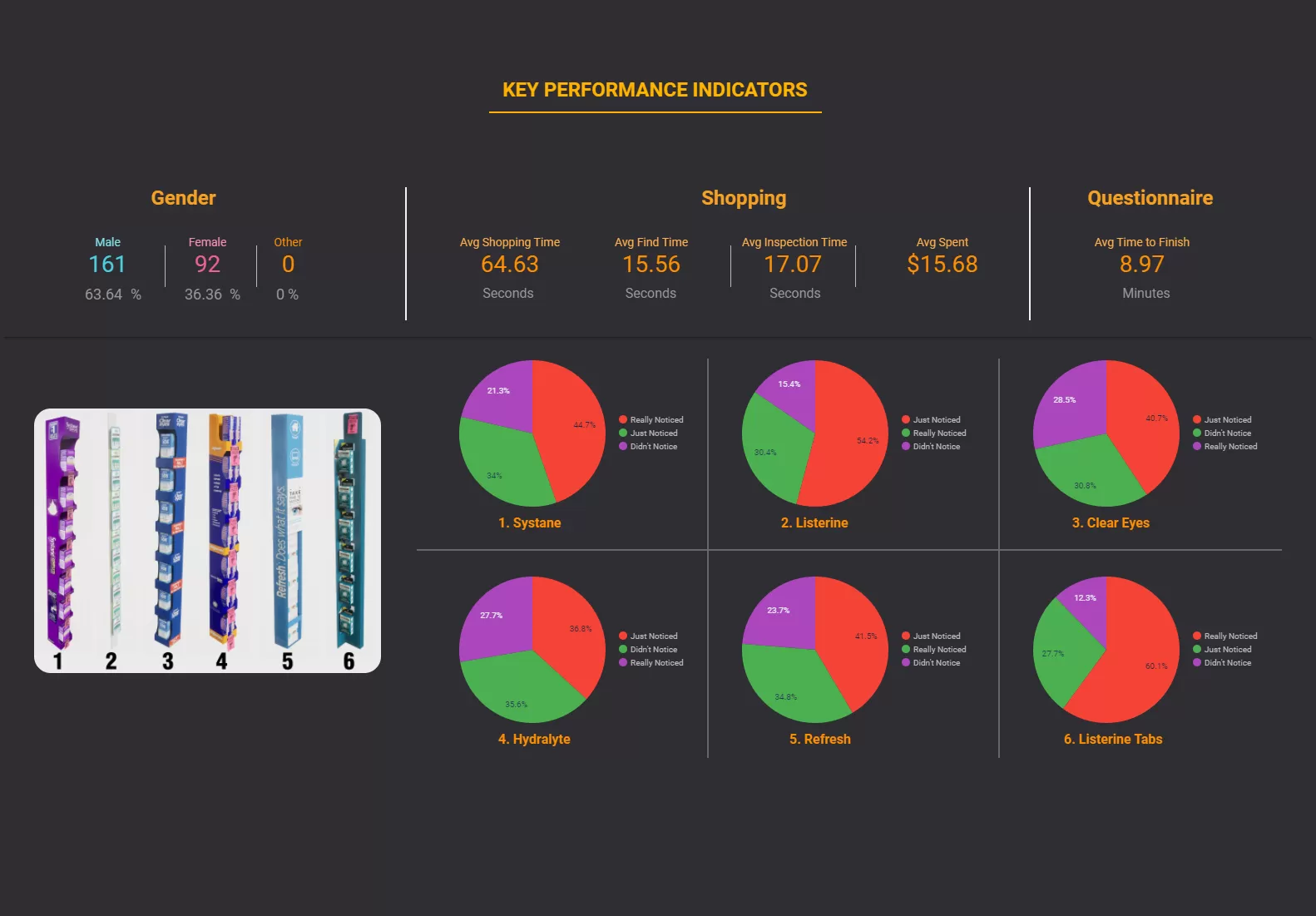
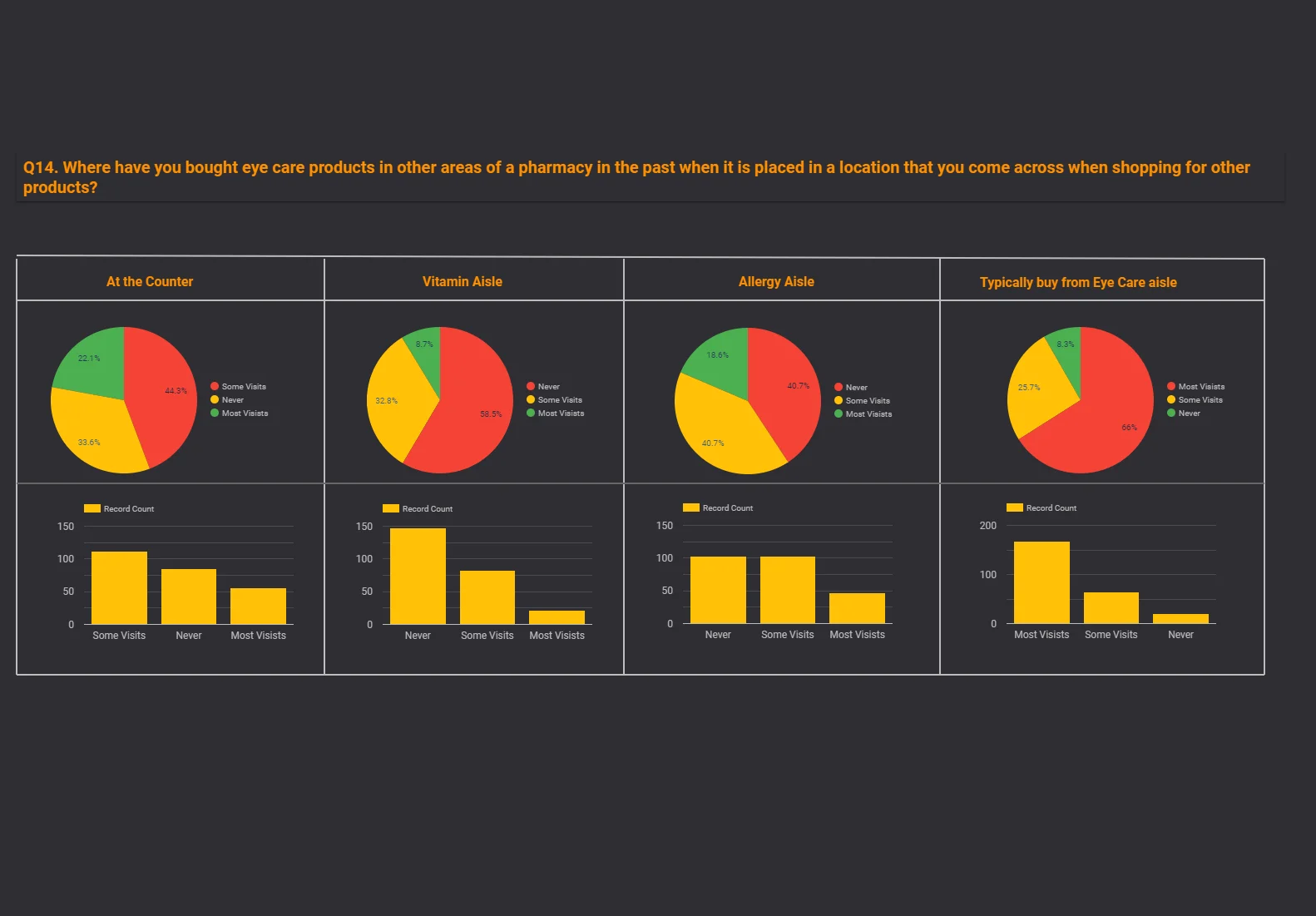
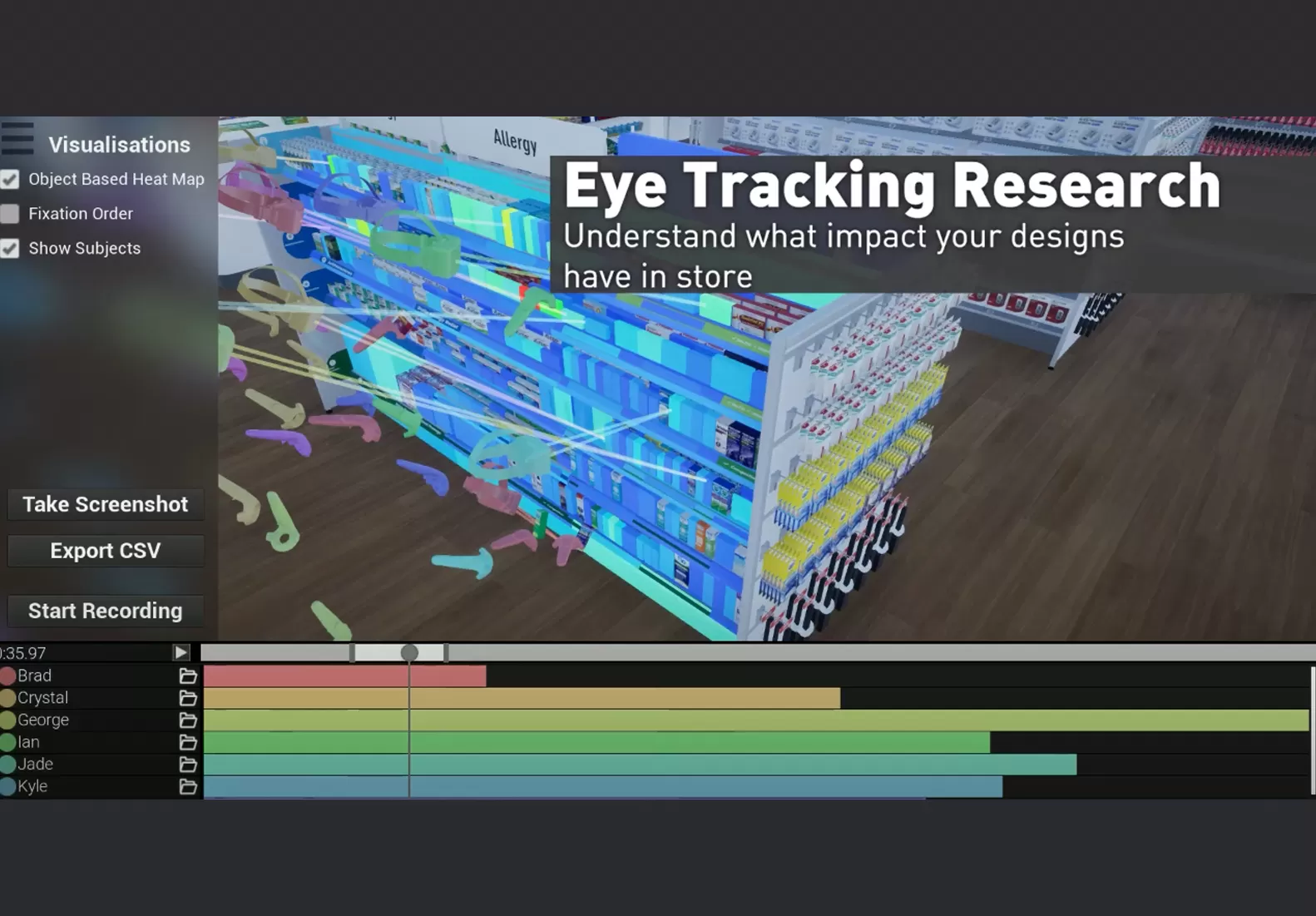
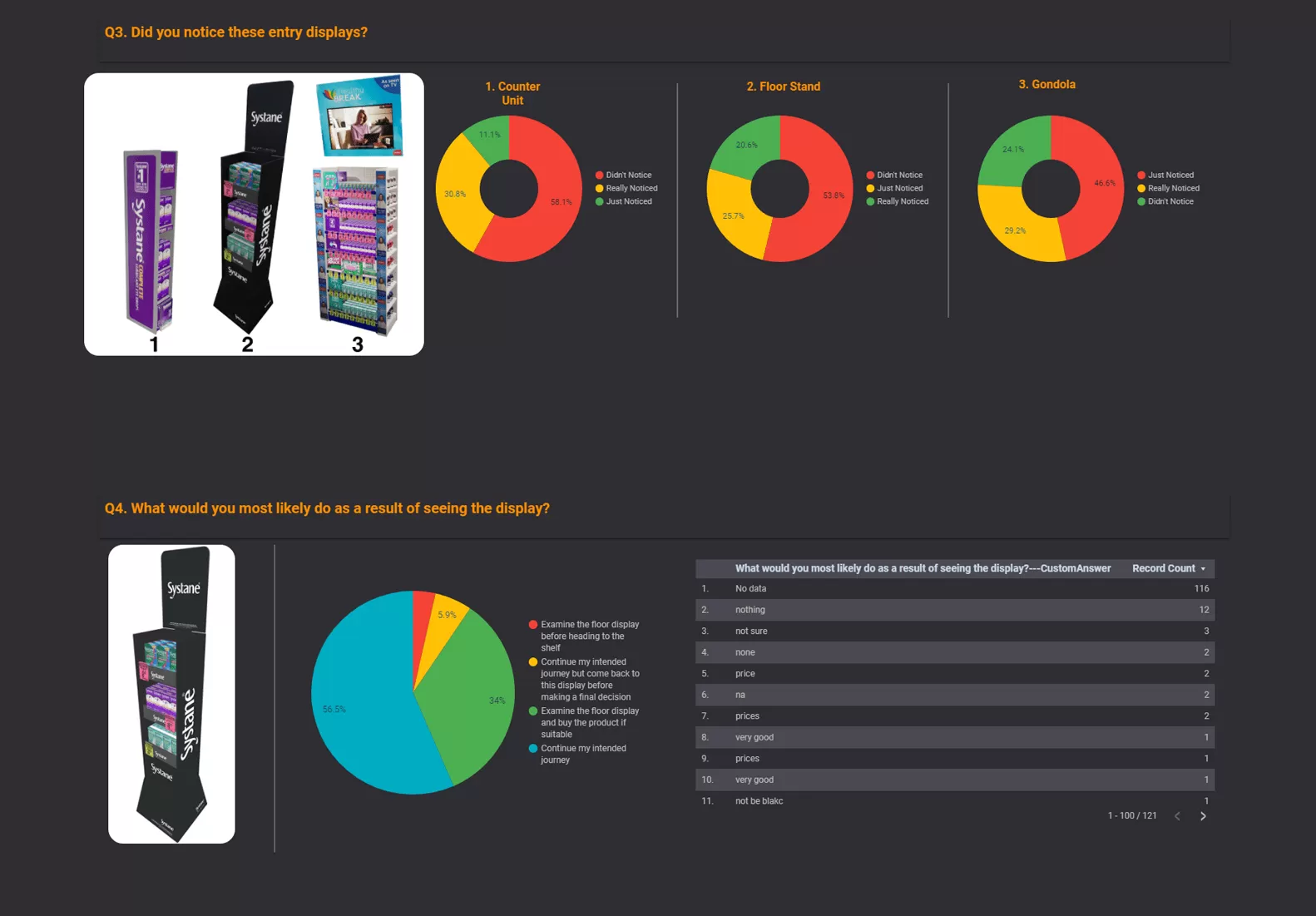
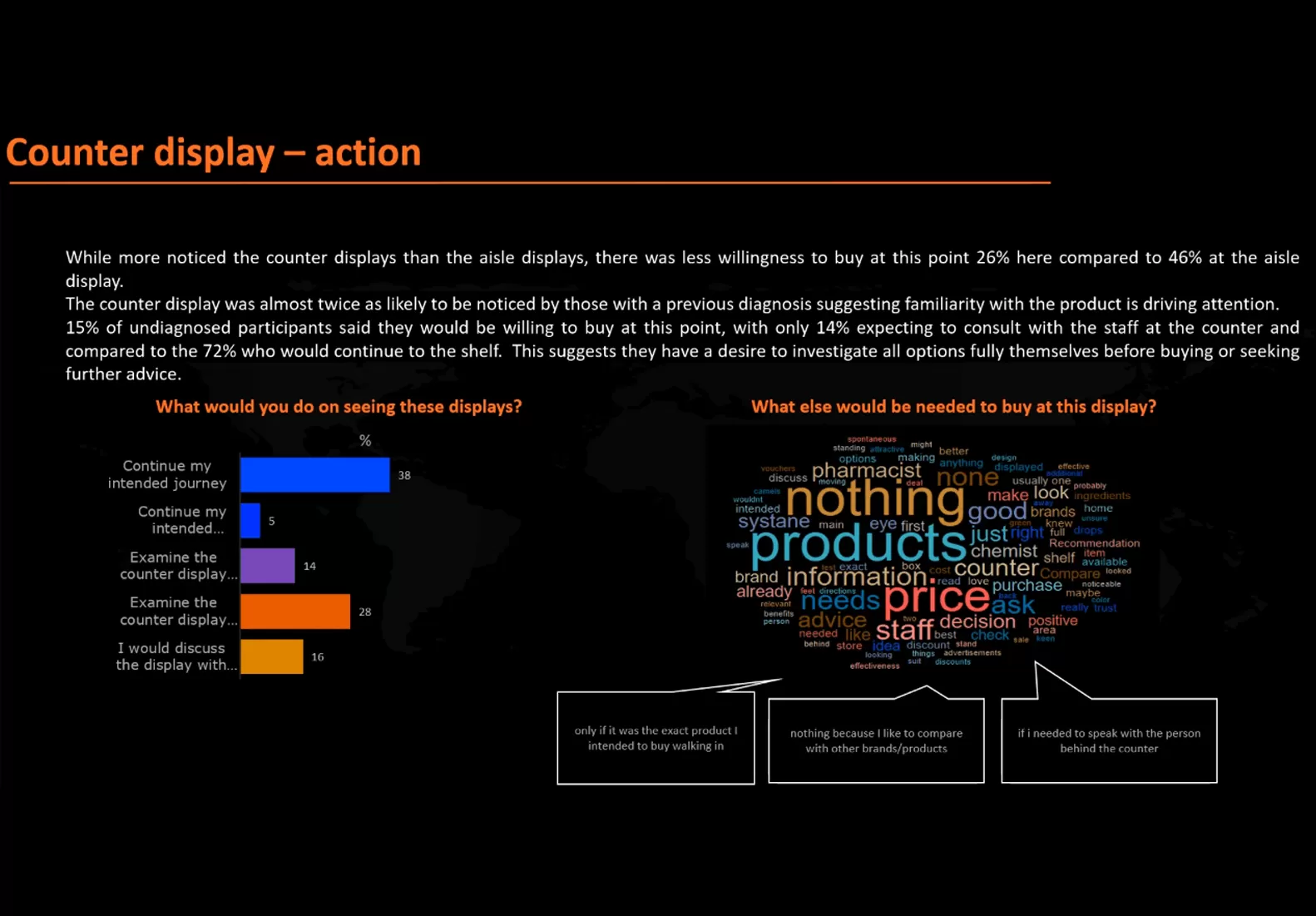
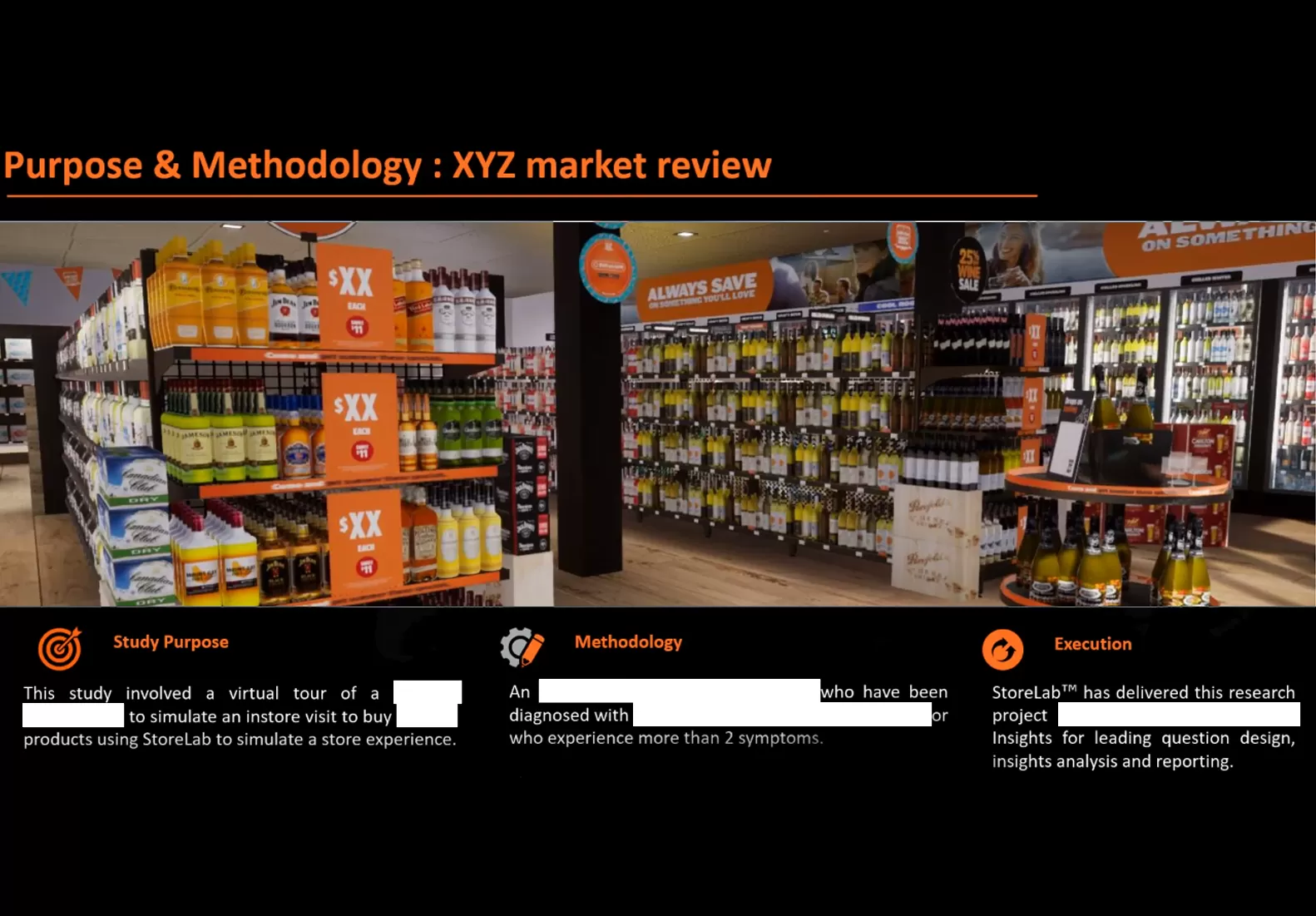
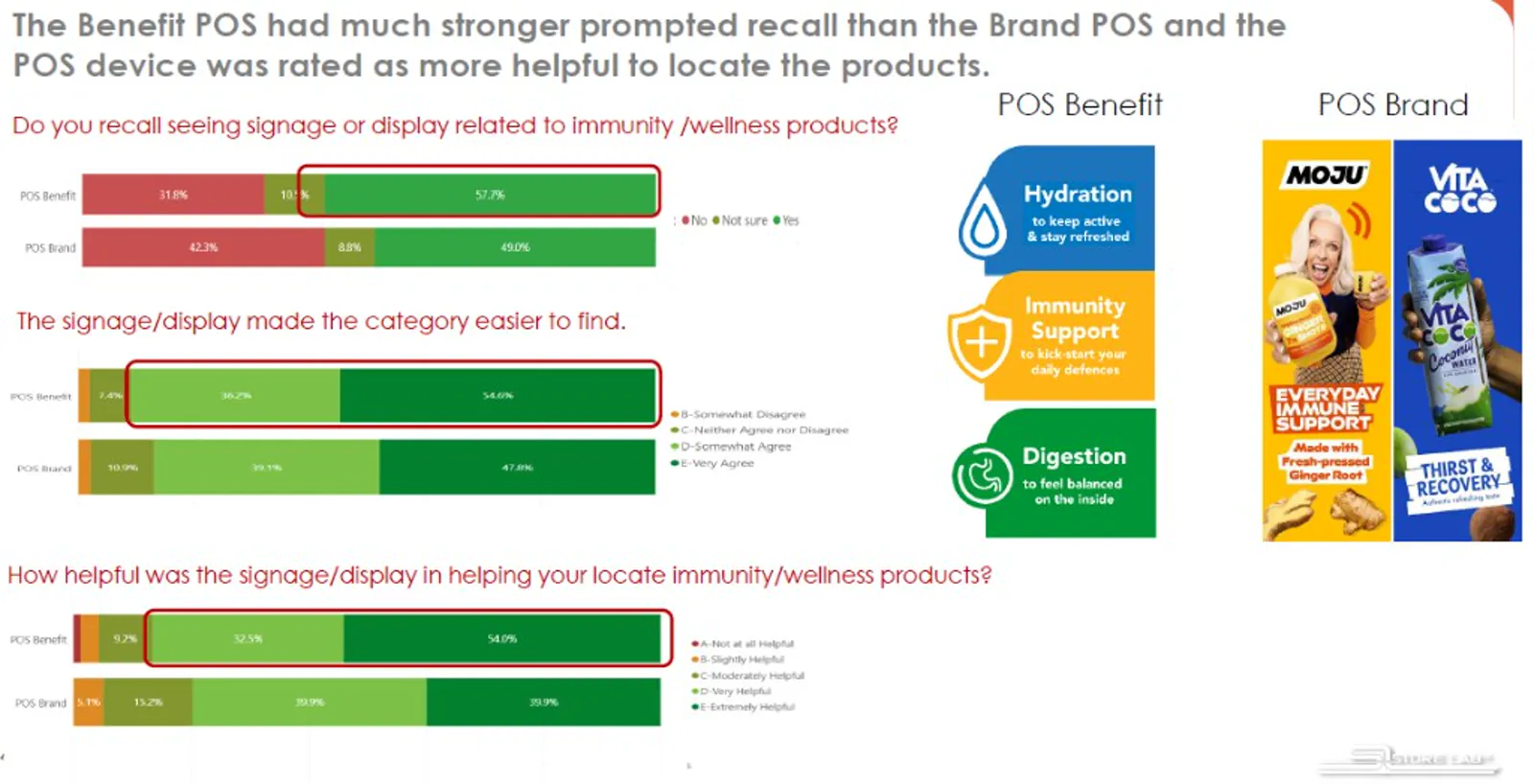
Dashboards, heatmaps, behavioural analysis and clear recommendations, built around the brief.
55 K+
200 +
10+YEARS
GLOBAL